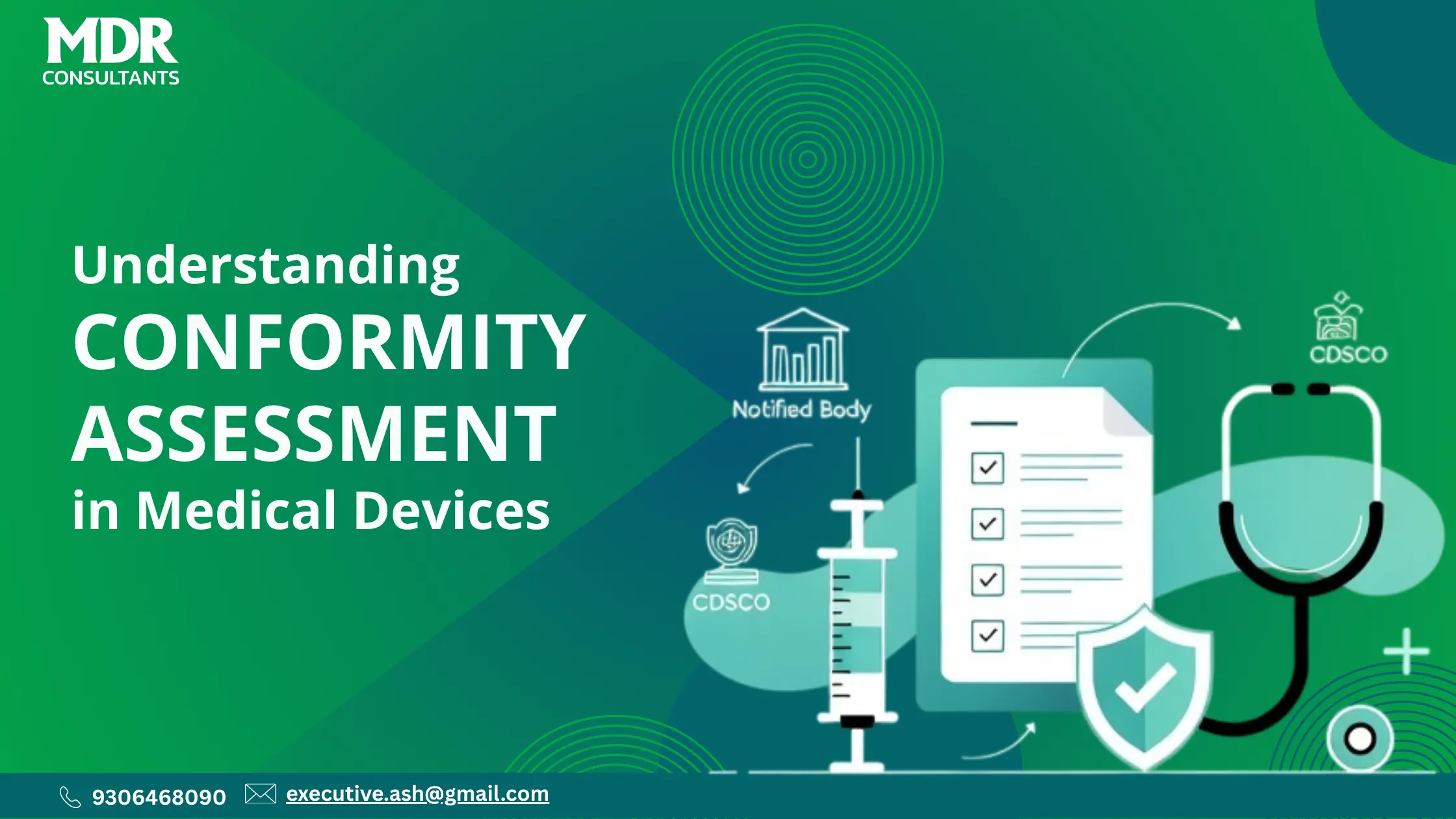
In the highly regulated world of medical devices, ensuring safety and performance is not optional—it is essential. One of the most critical processes that ensures this is conformity assessment.
📌 What is Conformity Assessment?
Conformity assessment refers to the systematic evaluation of evidence and procedures undertaken by a manufacturer to confirm that a medical device:
- Is safe for use
- Performs as intended by the manufacturer
- Meets the essential principles of safety and performance
In simple terms, it is the process that proves a medical device is ready for the market.
🔍 Why is Conformity Assessment Important?
Medical devices directly impact patient health, which makes strict evaluation necessary. Conformity assessment helps:
- Ensure patient safety
- Maintain product quality and reliability
- Meet regulatory requirements
- Build trust with healthcare providers and users
Without proper assessment, devices may pose serious health risks and face regulatory rejection.
⚙️ Key Components of Conformity Assessment
1. Technical Documentation
Manufacturers must prepare detailed documentation covering:
- Device design and specifications
- Risk analysis
- Clinical evaluation
- Manufacturing processes
2. Testing and Validation
Devices undergo rigorous testing to verify:
- Safety standards
- Performance claims
- Durability and reliability
3. Clinical Evaluation
Clinical data is reviewed to ensure the device performs effectively in real-world conditions.
4. Quality Management System (QMS)
A strong QMS (like ISO standards) ensures consistent product quality and compliance.
5. Regulatory Review
Depending on the device classification, regulatory bodies review the evidence before granting approval.
🌍 Global Perspective
Different countries follow specific regulatory frameworks:
- In India: CDSCO regulations
- In Europe: CE marking under MDR
- In the US: FDA approval process
Despite differences, the core goal remains the same—ensuring safe and effective medical devices.
🚀 Benefits for Manufacturers
A successful conformity assessment:
- Speeds up market entry
- Reduces regulatory risks
- Enhances brand credibility
- Ensures long-term compliance
⚠️ Common Challenges
Manufacturers often face:
- Complex documentation requirements
- Changing regulations
- High compliance costs
- Time-consuming approval processes
This is where expert guidance becomes valuable.
💡 Conclusion
Conformity assessment is not just a regulatory requirement—it is a foundation of trust in healthcare. By ensuring that medical devices meet strict safety and performance standards, it protects patients and strengthens the credibility of manufacturers.
For businesses aiming to enter regulated markets, investing in a robust conformity assessment process is essential for long-term success.