Clinical research plays a crucial role in ensuring that new medical devices, drugs, and treatments are safe and effective before they reach the public. In India, this process is regulated by the Central Drugs Standard Control Organization (CDSCO), which provides clear definitions and guidelines for all stakeholders involved.
What is a Clinical Research Organisation (CRO)?
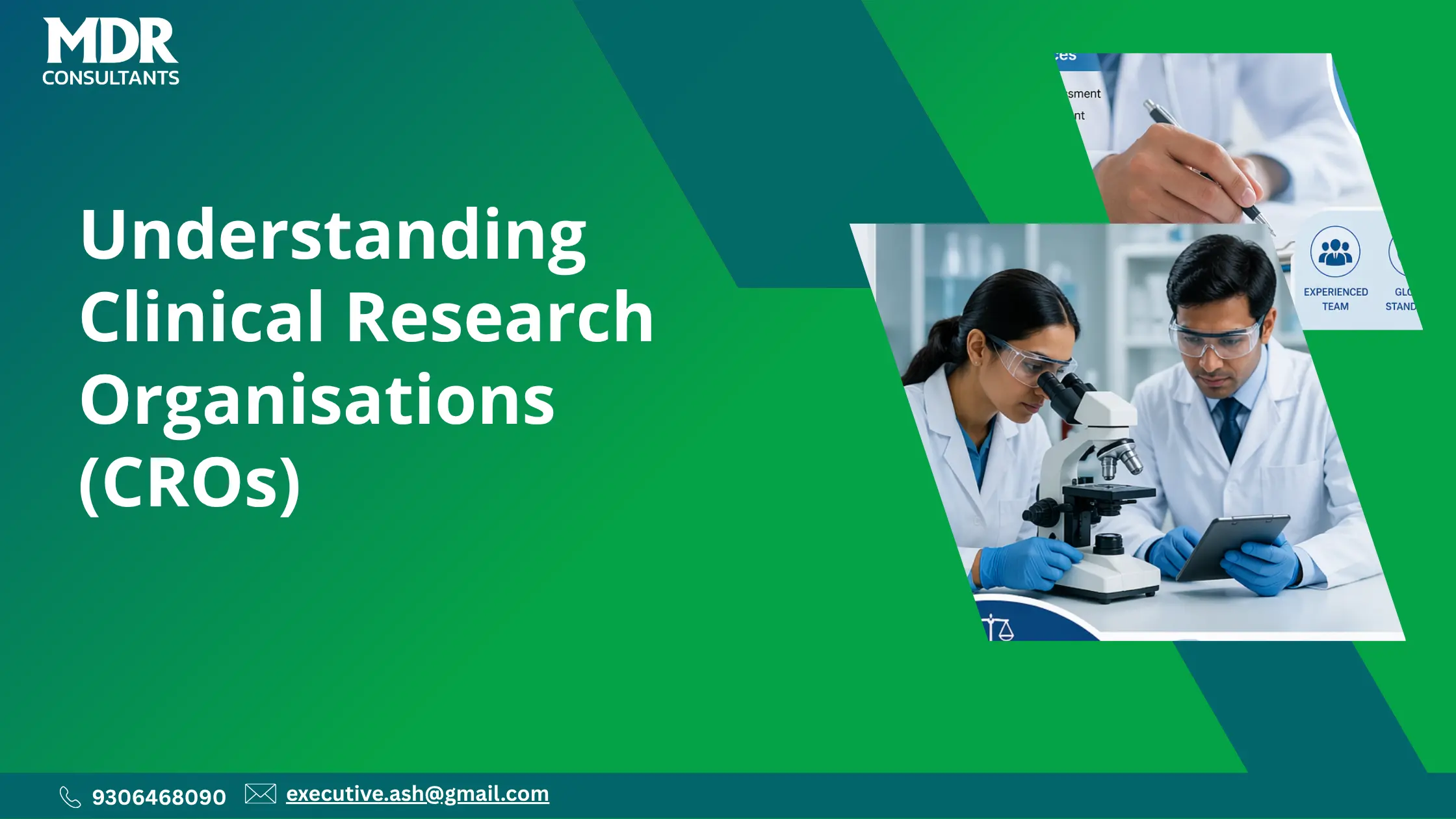
According to CDSCO, a Clinical Research Organisation (CRO) is any entity to whom a sponsor delegates one or more of its functions and duties related to the conduct of a clinical investigation or clinical performance evaluation.
In simple terms, a CRO is a specialized organization hired by a sponsor (such as a pharmaceutical or medical device company) to manage and carry out clinical research activities on their behalf.
Why are CROs Important?
Clinical research is complex and requires expertise, infrastructure, and regulatory knowledge. CROs help sponsors by:
- Managing clinical trials efficiently
- Ensuring compliance with regulatory requirements
- Handling data collection and analysis
- Monitoring patient safety
- Maintaining documentation and reporting
This allows sponsors to focus on innovation while ensuring that studies are conducted ethically and scientifically.
Key Functions of a CRO
When a sponsor delegates responsibilities, a CRO may take on tasks such as:
- Clinical trial management – Planning and executing studies
- Site selection and monitoring – Choosing hospitals or centers and overseeing trial progress
- Regulatory submissions – Preparing documents for approvals from CDSCO
- Data management – Collecting, validating, and analyzing trial data
- Quality assurance – Ensuring trials follow Good Clinical Practice (GCP) guidelines
Responsibility and Accountability
Even when a CRO is involved, the sponsor remains ultimately responsible for the quality and integrity of the clinical trial data. However, the CRO must perform delegated duties according to regulatory standards and agreements.
CROs in the Indian Regulatory Framework
Under CDSCO guidelines:
- CROs must operate in compliance with Indian regulations
- They should follow ethical standards and Good Clinical Practices (GCP)
- Proper documentation and transparency are mandatory
- They may be inspected by regulatory authorities
Conclusion
Clinical Research Organisations are essential partners in the healthcare ecosystem. By supporting sponsors in conducting clinical investigations, CROs help ensure that new medical products are safe, effective, and reliable.
Understanding their role as defined by CDSCO helps maintain trust, quality, and compliance in clinical research in India.